

Inhuman Resources: A Literary Machination Review
Inhuman Resources: A Literary Machination

Publisher: Indie Asylum
Developer: Finnegan Motors
Genre:
PEGI: 12
Comments:
There are games that entertain, games that challenge, and then there are games like Inhuman Resources: A Literary Machination—games that unsettle you in the best possible way. This indie narrative experience doesn’t just tell a story; it drags you, willingly or not, into the fluorescent-lit bowels of corporate absurdity and moral compromise. And once you’re in, it doesn’t let go.
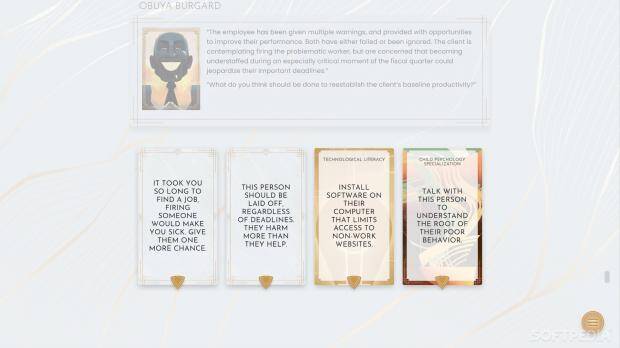
Set in the cold, bureaucratic halls of the fictional SMYRNACORP, the game casts you as a desperate job applicant navigating a hiring process that feels more like a psychological trial than an interview. From the moment you step into the building, it’s clear that something is deeply wrong. The receptionist speaks in riddles, the onboarding paperwork is written in legalese laced with existential dread, and the walls seem to whisper secrets you’re not supposed to hear.
Gameplay-wise, Inhuman Resources leans heavily into its visual novel roots. You’ll spend most of your time reading dialogue, making choices, and watching the consequences unfold. But don’t mistake this for a passive experience. Every decision you make—whether it’s how you respond to a question, which department you align with, or whether you sign a suspicious NDA—shapes your path through the story. There’s no manual save, no going back. The game forces you to live with your choices, and that permanence adds a weight that’s rare in the genre.
What truly sets this game apart is its writing. It’s sharp, darkly funny, and often uncomfortably real. The dialogue captures the soul-crushing language of corporate life with eerie precision. Characters like Obuya Burgard, the senior supervisor with a smile that never reaches his eyes, are both hilarious and terrifying. The narrative unfolds like a twisted novel, each chapter peeling back another layer of the company’s sinister inner workings. It’s a slow burn, but one that rewards patience with moments of genuine shock and insight.
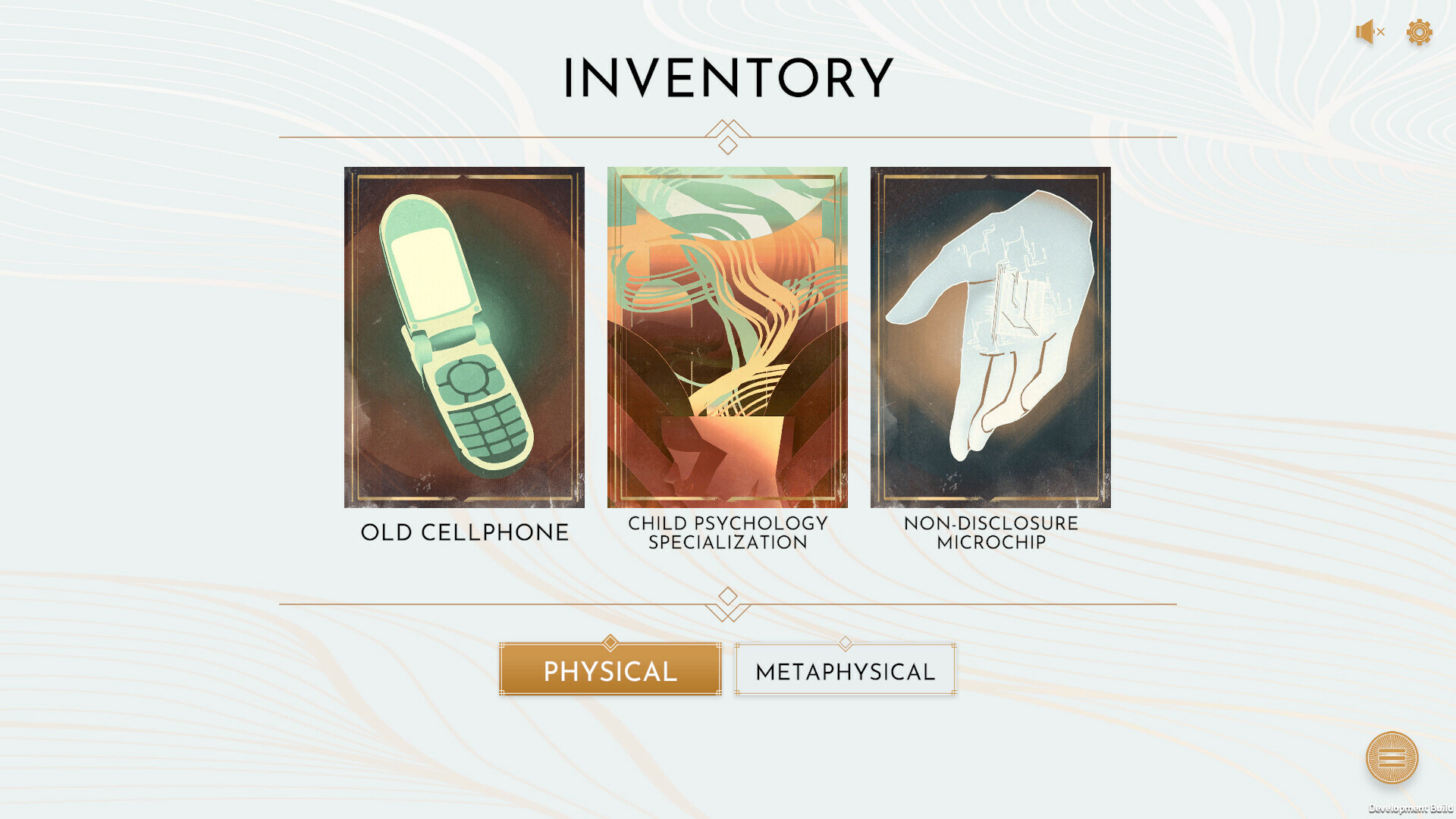
Visually, the game embraces a stark black-and-white aesthetic that mirrors its moral ambiguity. The interface is clean but oppressive, with a vintage typewriter font that reinforces the feeling that you’re reading a bureaucratic horror story. The sound design is equally effective—subtle, ambient, and deeply unsettling. The hum of overhead lights, the distant clatter of keyboards, the occasional distorted announcement over the PA system—it all works together to create a sense of unease that never quite goes away.
That said, Inhuman Resources won’t be for everyone. Its slow pace, minimal interactivity, and heavy reliance on text may turn off players looking for more traditional gameplay. And while there are multiple endings, the replay value is more about exploring different ethical paths than uncovering radically different storylines.
But for those who appreciate games that challenge not just your reflexes but your worldview, this is something special. It’s a game that asks uncomfortable questions about work, identity, and the systems we willingly submit to. It’s not just a story—it’s a mirror held up to the modern workplace, and what it reflects isn’t always pretty.
Final Verdict: Inhuman Resources: A Literary Machination is a haunting, intelligent, and deeply original experience. It may not be the most action-packed title of the year, but it’s certainly one of the most thought-provoking. If you’ve ever felt like a cog in a machine—or wondered what it would take to break free—this game is worth your time.

